

Wild Lupine Project
Aaron Carlson, CC BY-SA 2.0 <https://creativecommons.org/licenses/by-sa/2.0>, via Wikimedia Commons
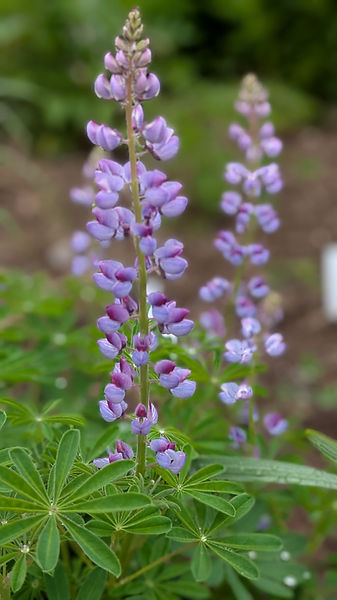
You can help bring back Maine's
only native lupine
Once native to southern Maine, the Sundial, or Wild Lupine (Lupinus perennis), is no longer found in the wild in Maine. Unlike the non-native lupine that is present on many roadsides, the Sundial lupine is the sole host plant for the Karner blue butterfly which hasn't been seen in Maine in decades. However, there is a sizeable population in Concord, NH.
The habitat for Sundial Lupine is limited to grasslands and pine barrens. These types of habitats have declined due to agriculture and development and are susceptible to the impacts of a warming climate.
Walk the East Loop Trail at Valentine Farm and see Mahoosuc Land Trust's planting of wild lupine. Let it inspire you to join the effort to bring back the Karner blue.
Sources of Plants and Seeds
Prairie Moon Nursery - www.prairiemoon.com
Wild Seed Project - www.wildseedproject.net
Joyful Butterfly - www.joyfulbutterfly.com
Karner Blue Butterfly


Credit: Jill Utrup, USFWS
Female
About the Karner blue butterfly
The Karner blue is a small butterfly, about the size of a postage stamp. They typically have two generations per year, typically sometime in April when the first catterpillars appear from eggs laid the previous year. The caterpillars feed only on the leaves of wild lupine until mid-May, pupate, and emerge as a butterfly in late May. Over the course of 4-6 weeks, these adults mate, laying their eggs in earlyJune. The eggs hatch in about one week and feed for three weeks. The second generation of butterflies appears in July. These adults lay eggs that will overwinter to become the first generation the following year.
Male